
Spring invites business owners to refresh their outdoor spaces, but the shift in seasons also brings...
Spring invites business owners to refresh their outdoor spaces, but the shift in seasons also brings safety concerns that can lead to accidents or insurance issues if ignored. Taking time to inspect your property, prepare your equipment, and support your team helps reduce risks as outdoor tasks increase. A few simple steps now can set your business up for a safer, smoother spring season.
Below are key safety areas to review as outdoor work ramps up this spring.
Inspect Outdoor Spaces for Hidden Damage
Winter conditions often leave behind problems like cracked pavement, unstable steps, potholes, or uneven ground. These issues may not seem urgent but can quickly turn into safety hazards for workers or visitors.
Walk your property and look closely at parking lots, stairways, sidewalks, loading zones, and any high-traffic outdoor areas. If you spot damage, schedule repairs such as sealing cracks, patching holes, repainting edge markings, or placing slip-resistant mats where necessary. Taking care of small issues early helps prevent injuries and expensive claims down the road.
Remove Clutter from Work Areas and Walkways
Outdoor spaces tend to collect items over time—extension cords, garden hoses, leftover materials, broken equipment, and other forgotten objects. These can block pathways or create unexpected tripping hazards.
Make it part of your spring routine to clear away debris and organize tools. Designate proper storage areas so equipment isn’t left out where it can cause accidents. Keeping walkways clean and unobstructed is one of the simplest ways to maintain a safe workplace.
Test and Tune Up Outdoor Equipment
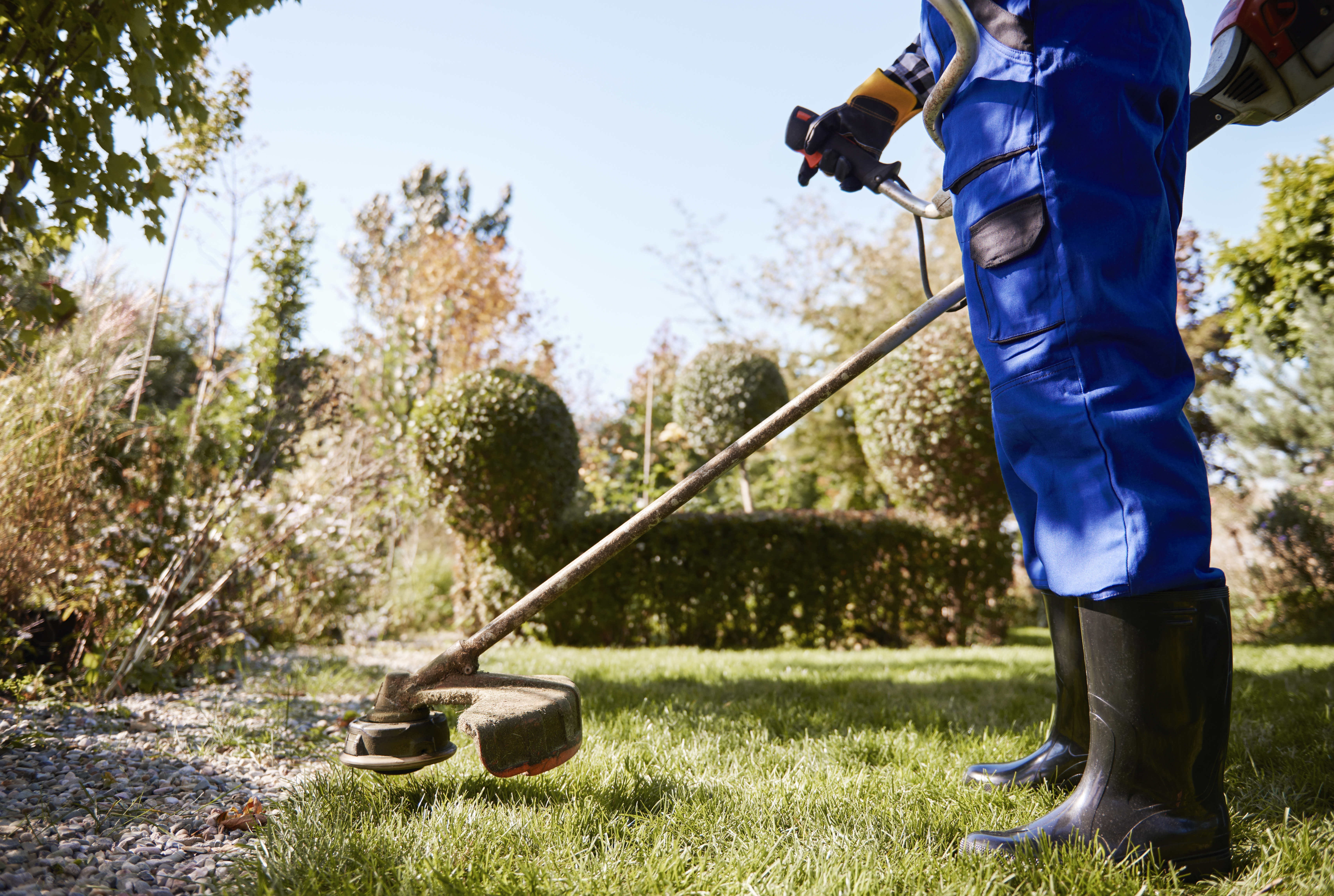
Once the weather improves, machinery like lawnmowers, hedge trimmers, leaf blowers, and pressure washers typically go back into use. Before your team starts working with them, check each tool to ensure it’s functioning safely.
Inspect cords for fraying, confirm that guards and covers are intact, and test switches or triggers to make sure they respond properly. If any equipment seems worn out or unreliable, repair or replace it before letting employees operate it. This reduces injury risks and keeps your operations running smoothly.
Ensure Ladders Are Safe and Used Correctly
Spring maintenance tasks—such as cleaning gutters, updating signs, or washing windows—often require ladders. Falls can happen easily when ladders aren’t placed securely or used properly.
Check that ladders are in good condition and free from damage. Make sure they’re placed on level ground and remind workers not to stretch or lean excessively while climbing or standing on them. A brief refresher on ladder safety can make a big difference in preventing workplace injuries.
Help Prevent Overexertion and Strain
With workloads increasing outdoors, employees may take on more lifting, carrying, or repetitive tasks than usual. This can lead to muscle strains, sprains, or back injuries if proper techniques aren’t followed.
Encourage workers to lift using their legs rather than their backs, avoid twisting while carrying items, and ask for assistance when moving anything heavy or awkward. Small adjustments in posture and teamwork can go a long way toward keeping your staff healthy and injury-free.
Refresh Safety Gear for Seasonal Tasks
Outdoor work exposes employees to hazards like sharp objects, flying debris, uneven surfaces, and roadside traffic. Proper protective gear ensures workers are prepared for these risks.
Check that your team has access to gloves, durable footwear, protective eyewear, and bright clothing if they’ll be near roads or active machinery. When the sun gets stronger, sunglasses can also help reduce glare and protect vision. A well-equipped team is a safer team.
Prepare for Sun Exposure, Heat, and Insects
As temperatures rise, the risks of heat stress, sunburn, and insect bites increase. Plants and pests can also trigger allergic reactions for some workers.
Help employees stay safe by encouraging hydration, providing shaded break areas, and offering sunscreen and insect repellent when needed. Lightweight long sleeves and hats can offer extra protection for workers spending long hours outdoors, especially in direct sunlight or grassy areas.
Review Emergency Supplies and Procedures
Spring is a great time to confirm that your emergency resources are updated and ready for use. Having reliable equipment and clear procedures can minimize harm during unexpected situations.
Inspect your first-aid kits to ensure supplies are complete and not expired. Test smoke alarms, check fire extinguishers, and go over emergency procedures with your team. A little preparation strengthens your company’s ability to respond quickly when it matters most.
Revisit Your Business Insurance Coverage
Even with proactive safety measures, accidents can still occur. Solid commercial insurance coverage—such as general liability insurance and workers’ compensation—provides essential protection when unexpected issues arise.
If it’s been a while since you last evaluated your policy, spring is a smart time to revisit it. As outdoor activities increase, ensuring your coverage limits and protections align with your current operations can help safeguard your business throughout the season.
If you’d like help reviewing your commercial insurance options, reach out to us. We’re here to make sure your business is ready for whatever spring brings.